Hi, I’m Shijie. I am a Scientist at A*STAR in Singapore, working on embodied intelligence and multimodal foundation models. I am the Principal Investigator of an A*STAR Career Development Fund project (2025–2028). I received my Ph.D. in Computer Science from the University of Bonn, advised by Prof. Juergen Gall, and my M.S. from Nankai University, advised by Prof. Ming-Ming Cheng. Previously, I was a research intern at Qualcomm AI Research in Amsterdam and Intel Labs in Munich.

My research is in computer vision and 3D perception, with robots as a platform for learning and acting in the physical world. My goal is to build robots that learn from their own deployment: understanding what happened, deciding what to update, and retaining a lesson only while it remains valid. This work brings together three directions:

Spatial perception and reasoning: Grounding decisions in 3D scenes and world representations.

I study how to reconstruct, understand, and reason about the physical world, from large-scale 3D perception to language-guided grounding. A central question is how to connect observations to the right object or event, and gather further evidence when the cause of a failure is unclear. Representative work: SeeGround, MonoSR, and One Agent to Guide Them All.

Temporal understanding and memory: Recognising the past, anticipating the future, and knowing what to retain.

I model how activities and scenes unfold over time, connecting action segmentation, forecasting, and memory for long-horizon reasoning. I am interested in how robots can track changing conditions and determine when an earlier lesson should be re-verified, revised, or withdrawn. Representative work: MS-TCN++, Thinking Ahead, and PRISM.

Efficient, cost-aware embodied intelligence: Choosing when to look, ask, act, and learn.

I develop embodied systems that weigh the value of additional evidence against the cost of sensing, computation, and human help. This extends to deciding whether a deployment experience calls for an update to memory, a reusable skill, or model weights, with verification and rollback when needed. Representative work: SpatialReasoner, Talk2Escape, and Ask When It Pays.

I’m always open to collaboration and in-depth discussions. Get in touch.

News

  • 2027One paper was accepted to WACV.
  • 2026-09Starting from 2026.9, I serve as an Associate Editor for ICRA 2027 and IEEE Robotics and Automation Letters (RA-L).
  • 2026-05We will host RobotPAD workshop (NeurIPS26, Paris), EMR workshop (ECCV26, Malmö).
  • 2026-05I will give an invited short talk at Singapore Vision Day 2026 (NUS).
  • 2026One paper was accepted to CVPR, one paper was accepted to ICLR, two papers were accepted to ECCV, one paper was accepted to CoRL, two papers were accepted to IROS, one paper was accepted to RA-L, one paper was accepted to BMVC, and one paper was accepted to ICASSP.
  • 2025-10We got the 2nd place in Challenge of Multimodal Robot Learning in InternUtopia and Real World and 1st place in simulation stage at IROS2025.
  • 2025Two papers were accepted to ICCV, and one paper was accepted to CVPR.
  • 2024.4I successfully defended my PhD thesis and began my new role as a Scientist at A*STAR.

Publications

Selected Publications

arXiv & Preprints12 papers
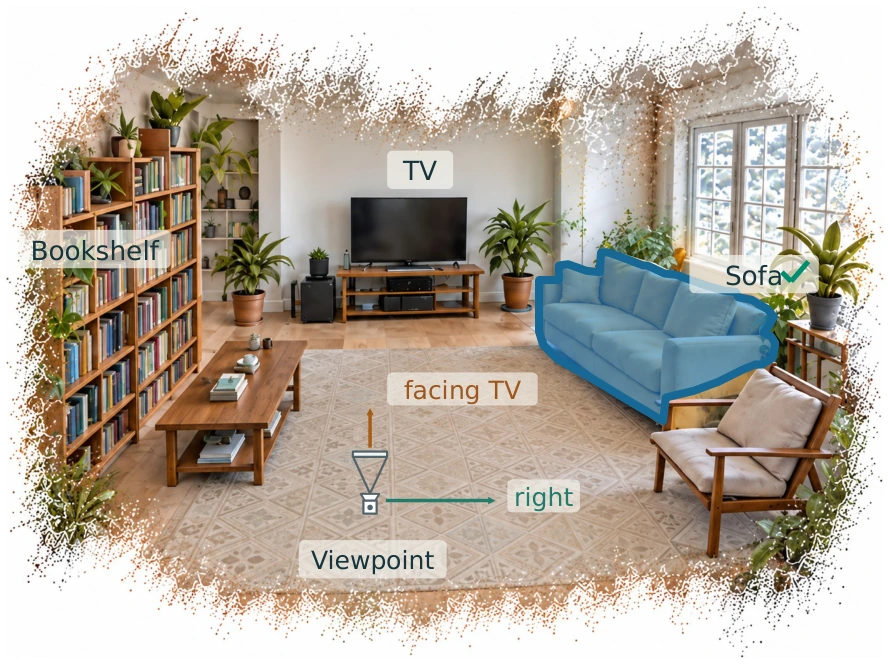
Illustrative annotated 3D room showing viewpoint-aware spatial reasoning in GeoReader.

GeoReader: Learning Latent Geometry for Spatial Reasoning in Vision-Language Models

Rong Li, Shijie Li, Jiangyong Huang, Lingdong Kong, Jiaming Zhou, Dongyue Lu, Zeying Gong, Baoxiong Jia, Junwei Liang, Siyuan Huang

arXiv 2026
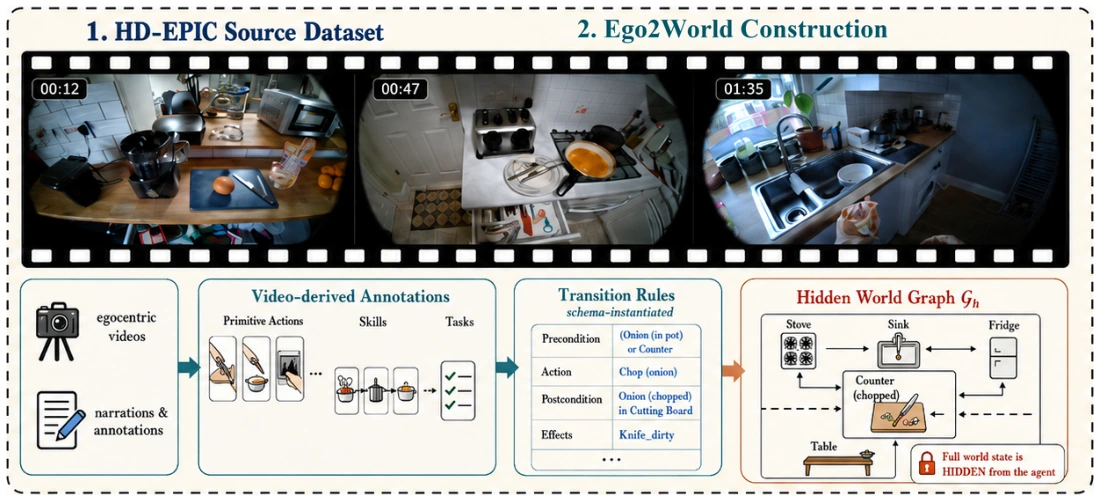
Ego2World turns egocentric cooking evidence into executable world models.

Ego2World: Compiling Egocentric Cooking Videos into Executable Worlds for Belief-State Planning
Qinchuan Cheng, Zhantao Gong, Pengzhan Sun, Angela Yao, Shijie Li

arXiv 2026
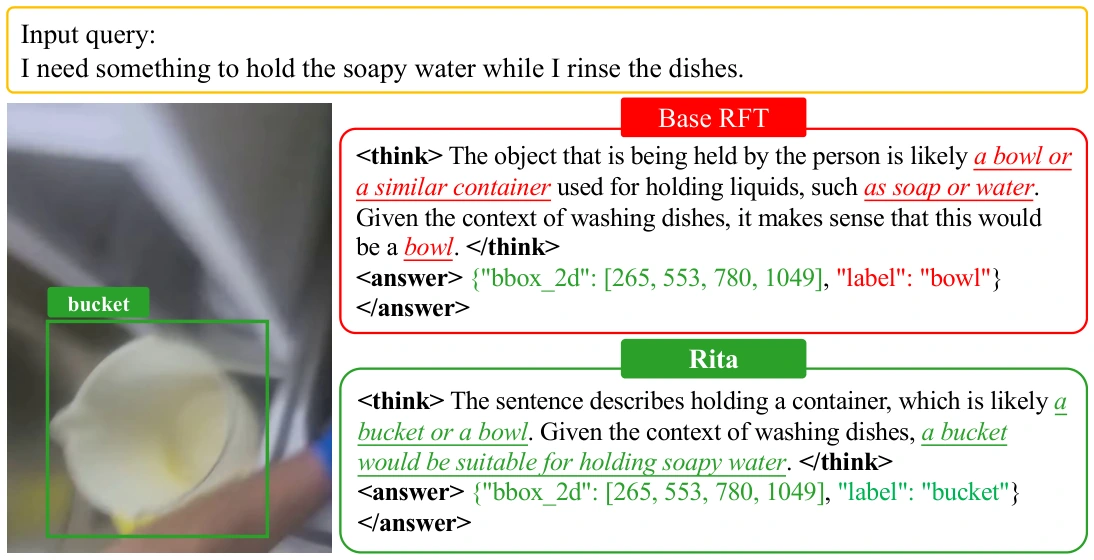
Rita corrects thought–answer inconsistency in a visual intention grounding example.

Aligning Thoughts with Answers: Probability Rewards to Tame Thinking Drift
Pengzhan Sun, Shiu-hong Kao, Shijie Li, Yongyi Su, Junbin Xiao, Arjun Reddy Akula, Angela Yao

arXiv 2026
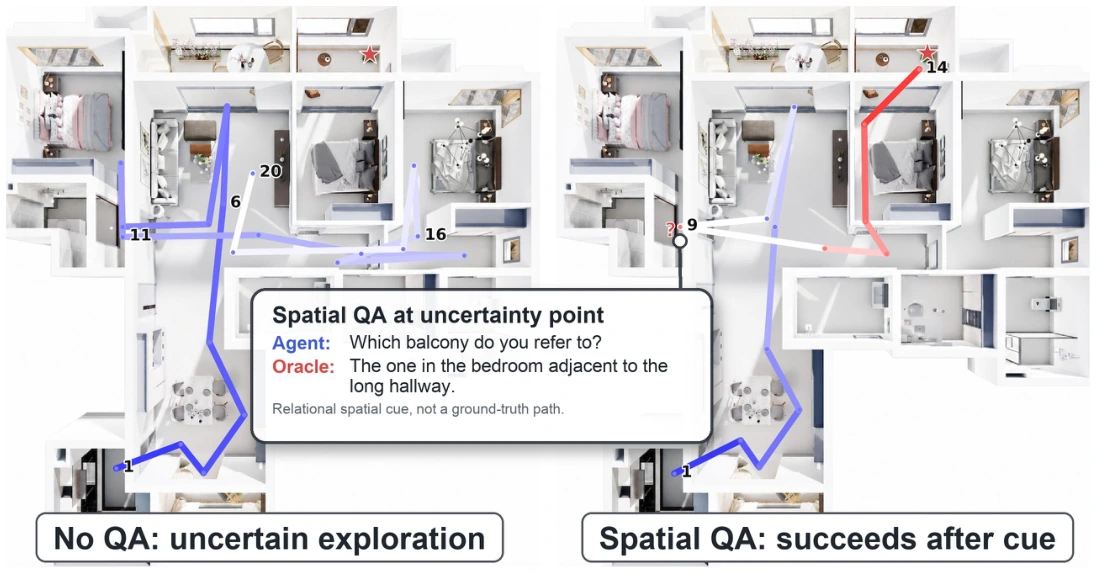
Paired navigation trajectories with and without a spatial clarification question.

Ask When It Pays: Cost-Aware Open-Ended Interaction for Instance Goal Navigation
Xunyi Zhao, Sihao Lin, Gengze Zhou, Zerui Li, Shijie Li, Wei Tao, Jiajun Liu, Qi Wu

arXiv 2026
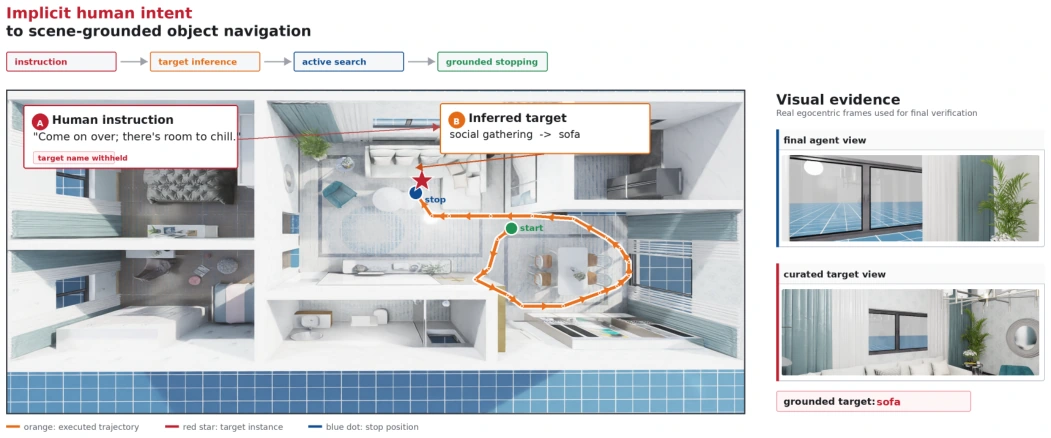
An implicit human request is grounded through active search in IntentionNav.

IntentionNav: A Benchmark for Intent-Driven Object Navigation from Implicit Human Instruction
Lin Qian, Shijie Li, Sihao Lin, Xuan Zhang, Bangya Liu, Yanran Li, Hujun Yin

arXiv 2026
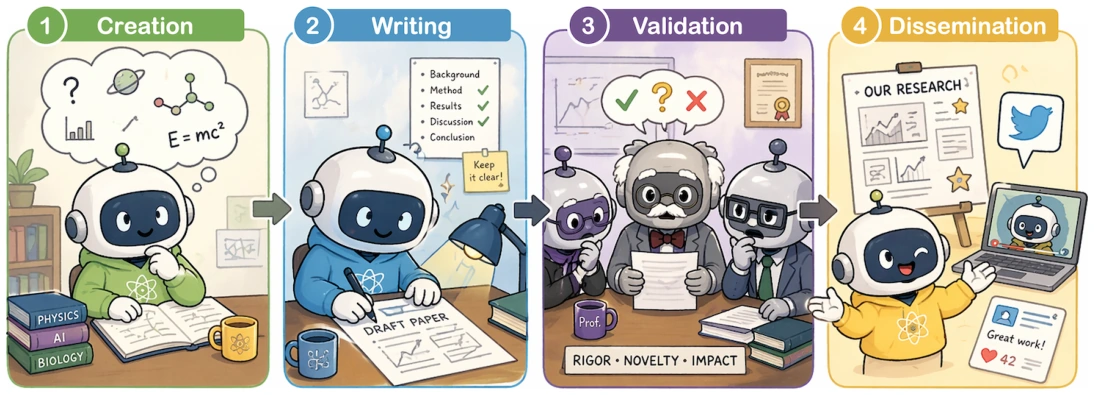
The four phases of AI-assisted research: creation, writing, validation and dissemination.

AI for Auto-Research: Roadmap & User Guide
Lingdong Kong, Xian Sun, Wei Chow, Linfeng Li, Kevin Qinghong Lin, Xuan Billy Zhang, Song Wang, Rong Li, Qing Wu, Wei Gao, Yingshuo Wang, Shaoyuan Xie, Jiachen Liu, Leigang Qu, Shijie Li, Lai Xing Ng, Benoit R Cottereau, Ziwei Liu, Tat-Seng Chua, Wei Tsang Ooi

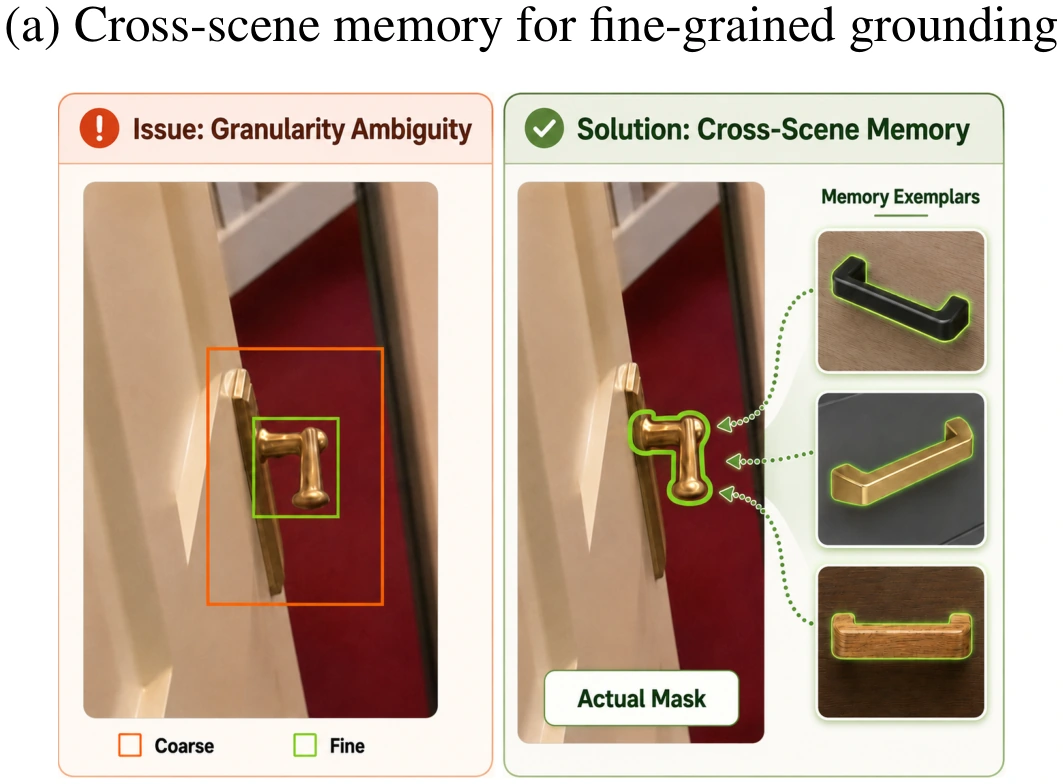
Cross-scene visual memory helps ground the operable handle rather than the whole door.

Grounding by Remembering: Cross-Scene and In-Scene Memory for 3D Functional Affordances
Qirui Wang, Jingyi He, Yining Pan, Xulei Yang, Shijie Li

arXiv 2026
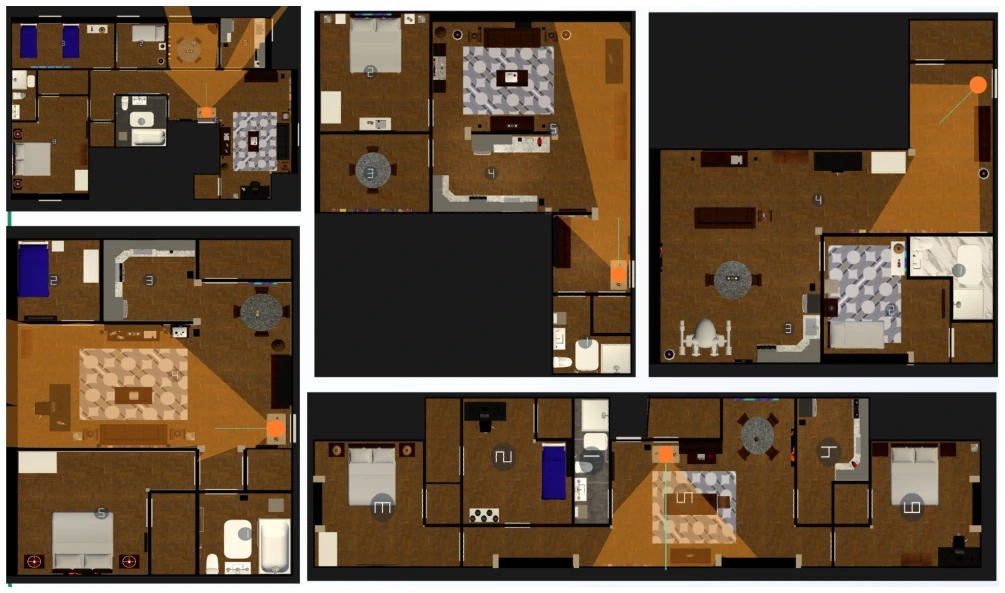
Apartment layouts used by the PRISM embodied planning benchmark.

PRISM: Planning and Reasoning with Intent in Simulated embodied environments
Yunn Kang Lim, Pengzhan Sun, Ziyi Bai, Xun Xu, Angela Yao, Xulei Yang, Shijie Li

arXiv 2026
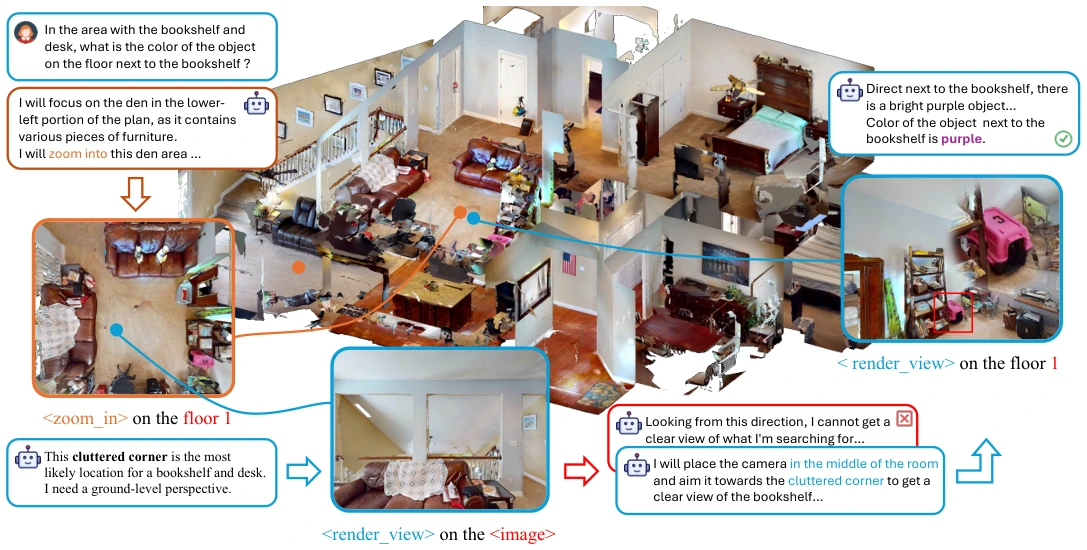
A house-scale spatial question guides map inspection and viewpoint selection.

Think, Then Look: Active Spatial Reasoning for House-Scale 3D Scene Understanding
Hongpei Zheng, Shijie Li, Lin Qian, Zhenghao Li, Qijun Yang, Yanran Li, Hujun Yin

arXiv 2025
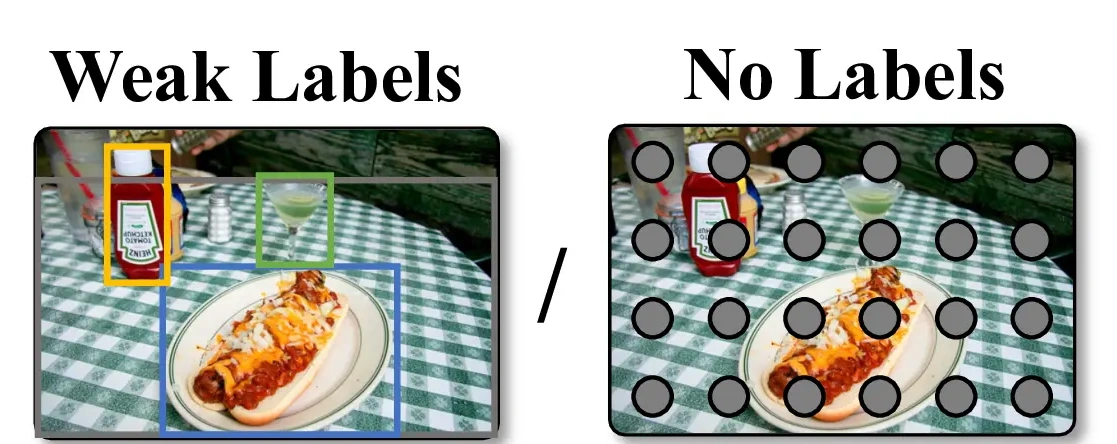
Weak-label and no-label prompt examples from the author-hosted WeSAM++ framework figure.

Improving the Generalization of Segmentation Foundation Models via Weakly-Supervised and Unsupervised Adaptation
Haojie Zhang, Yongyi Su, Nanqing Liu, Shijie Li, Xulei Yang, Xiangyu Yue, Kui Jia, Xun Xu

Preprint 2025
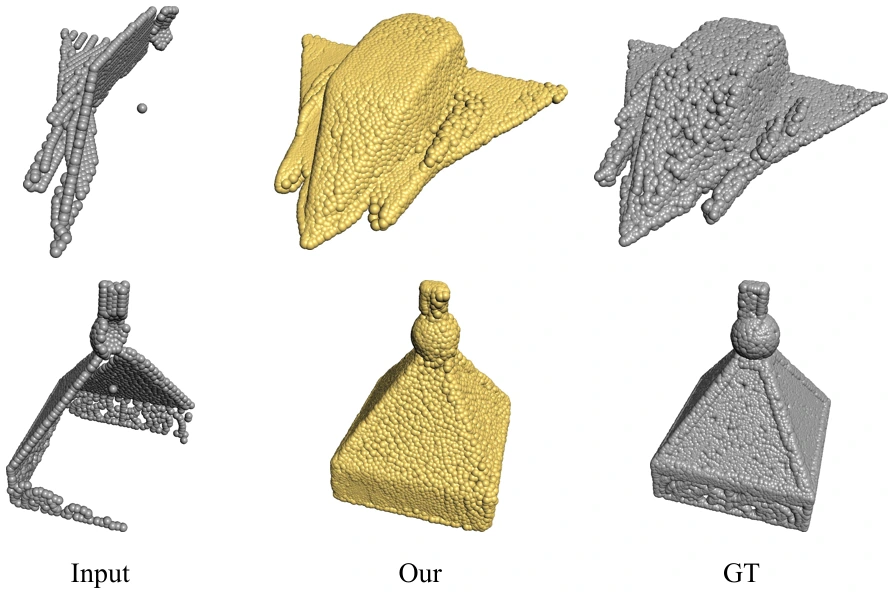
Two partial inputs, DiffPCN completions and ground-truth point clouds.

DiffPCN: Latent Diffusion Model Based on Multi-view Depth Images for Point Cloud Completion
Zijun Li, Hongyu Yan, Shijie Li, Kunming Luo, Li Lu, Xulei Yang, Weisi Lin

arXiv 2025
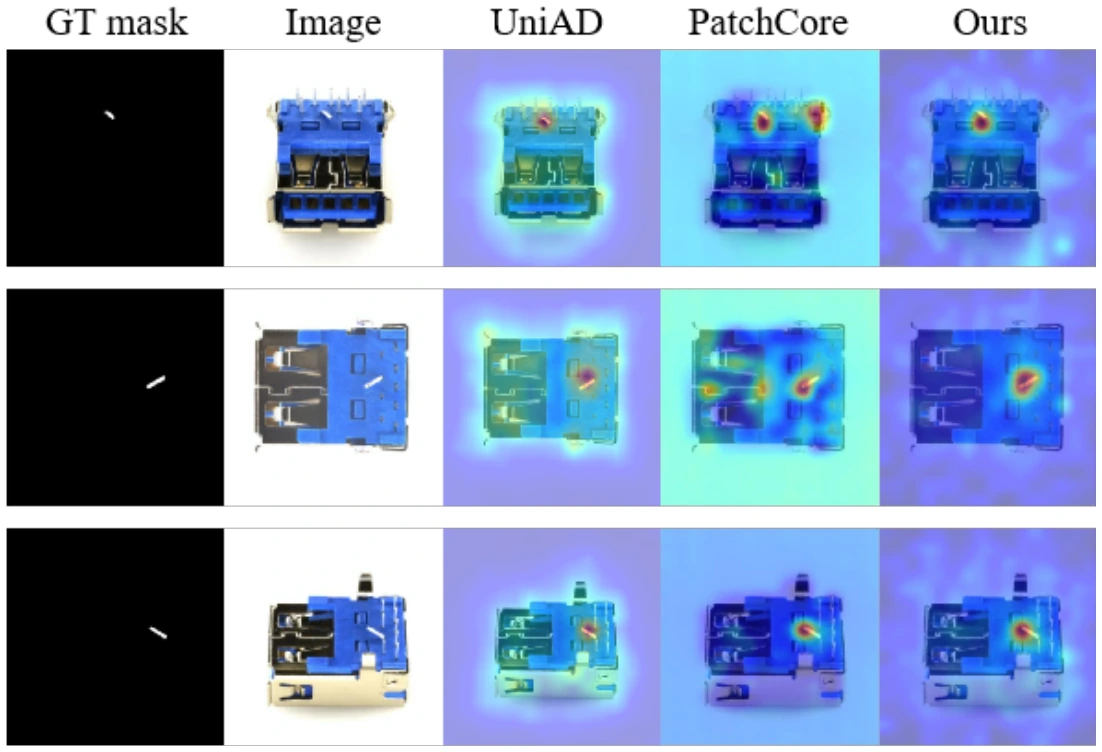
Multi-view USB defect localization with ground truth and competing anomaly heatmaps.

Multi-View Industrial Anomaly Detection with Epipolar Constrained Cross-View Fusion

Yifan Liu, Xun Xu, Shijie Li, Jingyi Liao, Xulei Yang

arXiv 2025

2027

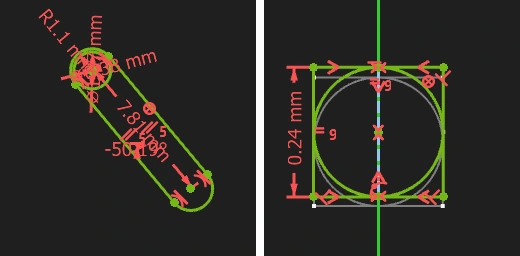
Two saved CAD previews from the official SketchIntent-292 benchmark, showing geometric constraints.

Motion Subspace Canonicalization for Design-Intent Evaluation in CAD Sketches

Ryotaro Kakuda, Chen Li, Shijie Li, Xiaofeng Yang, Guosheng Lin, Fayao Liu

WACV 2027

2026

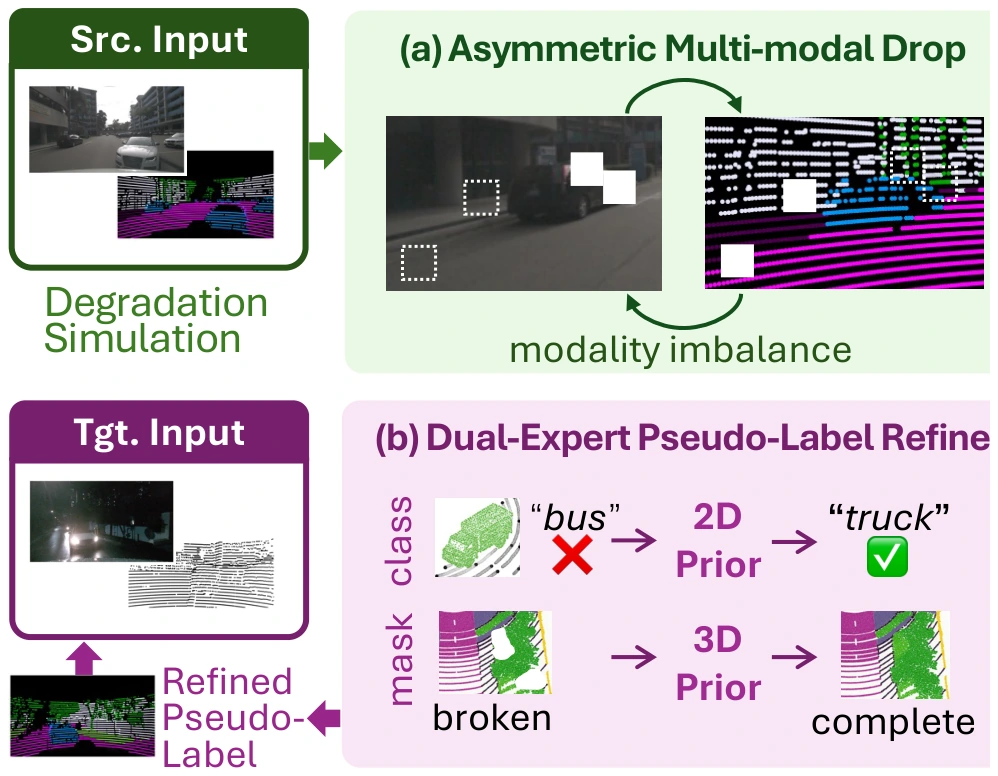
PanDA concept illustration: asymmetric modality corruption and 2D/3D expert refinement.

PanDA: Panoptic Domain Adaptation for Multimodal Perception in Autonomous Driving
Yining Pan, Shijie Li, Yuchen Wu, Xulei Yang, Na Zhao

CVPR 2026
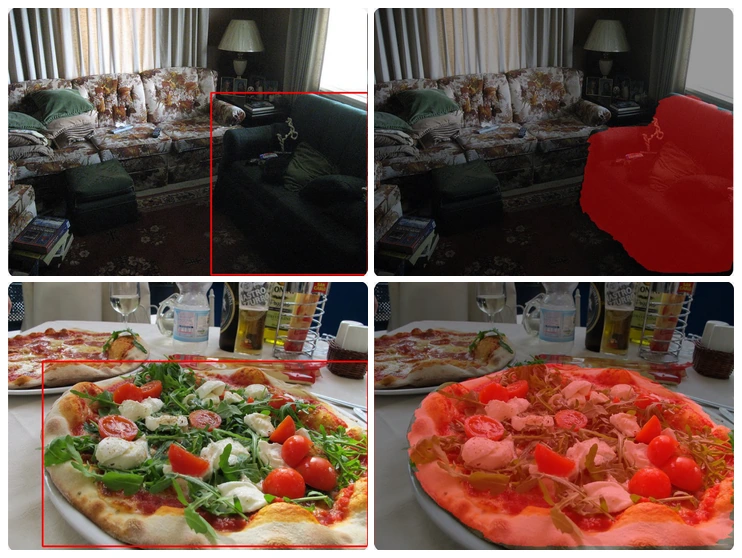
PaDT qualitative outputs: bounding-box and segmentation results for a couch and a pizza.

Patch-as-Decodable-Token: Towards Unified Multi-Modal Vision Tasks in MLLMs
Yongyi Su, Haojie Zhang, Shijie Li, Nanqing Liu, Jingyi Liao, Junyi Pan, Yuan Liu, Xiaofen Xing, Chong Sun, Chen Li, Nancy F. Chen, Shuicheng Yan, Xulei Yang and Xun Xu

ICLR 2026
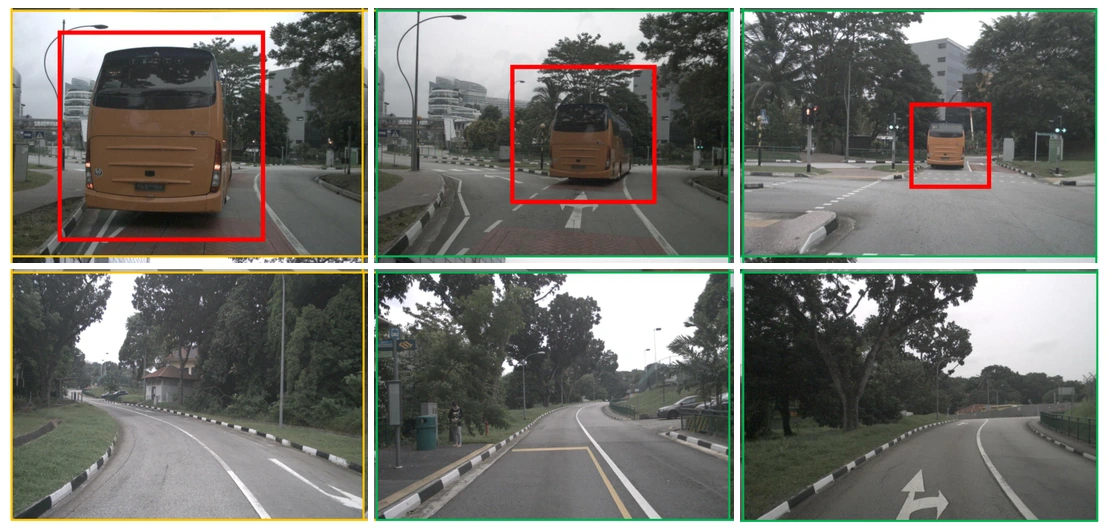
FSU-Bench driving examples: selected historical and future frames for relative-distance and counterfactual tasks.

Thinking Ahead: Foresight Intelligence in MLLMs and World Models
Zhantao Gong, Liaoyuan Fan, Qing Guo, Xun Xu, Xulei Yang, Shijie Li

ECCV 2026
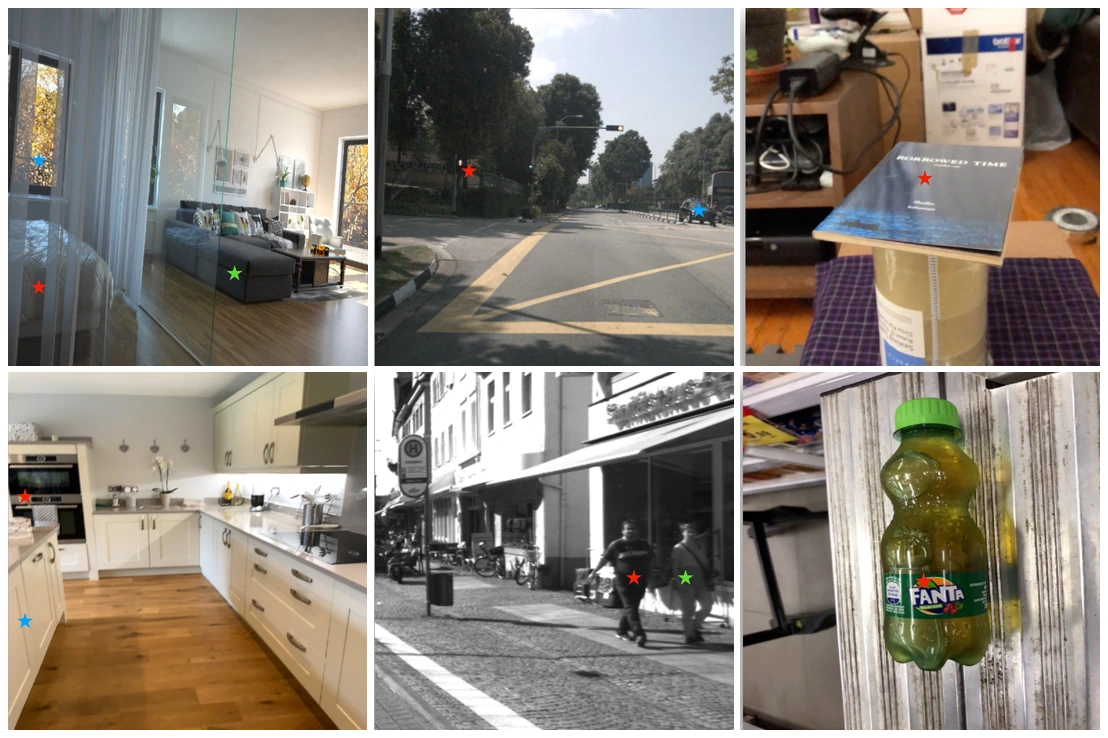
MonoSR dataset examples across indoor, outdoor and object-centric spatial reasoning.

MonoSR: Open-Vocabulary Spatial Reasoning from Monocular Images
Qirui Wang, Jingyi He, Yining Pan, Si Yong Yeo, Xulei Yang, Shijie Li

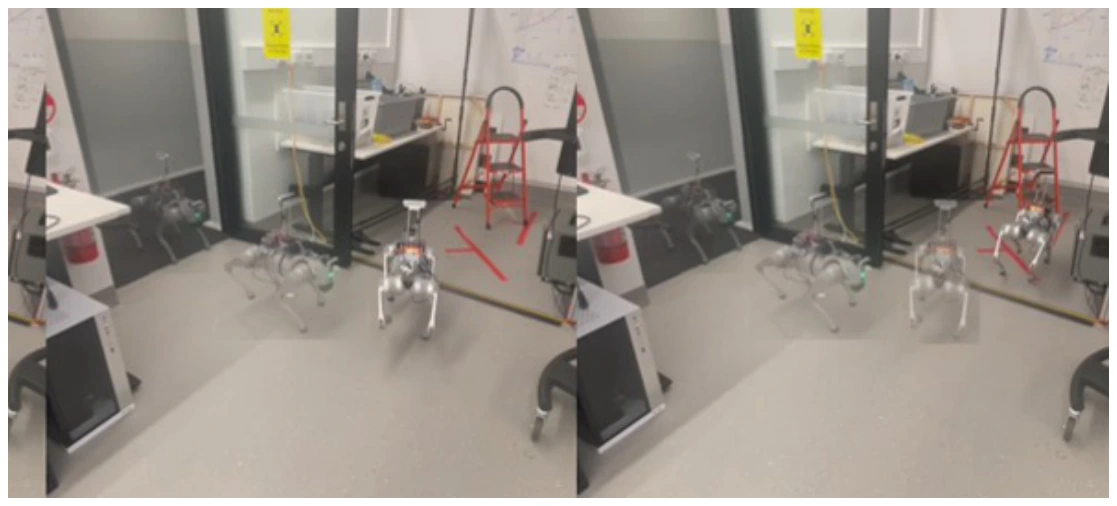
GTA deployed on a quadruped robot navigating toward a target in a real laboratory.

One Agent to Guide Them All: Empowering MLLMs for Vision-and-Language Navigation via Explicit World Representation
Zerui Li, Hongpei Zheng, Fangguo Zhao, Aidan Chan, Jian Zhou, Sihao Lin, Shijie Li, Qi Wu

CoRL 2026
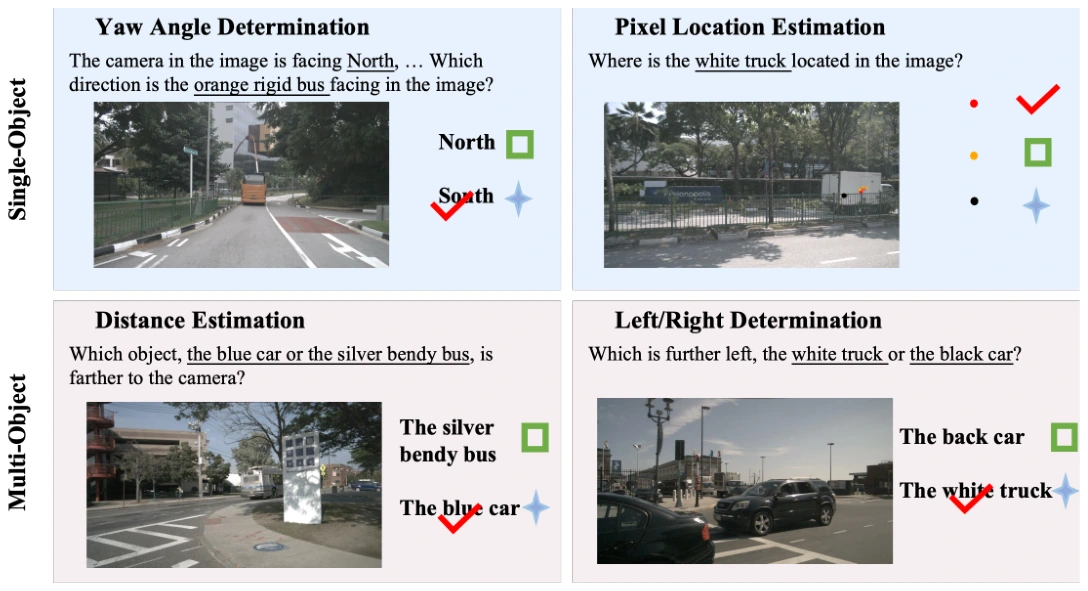
Perception-aware spatial reasoning examples: object orientation, pixel location and inter-object relations.

Perception-Aware Multimodal Spatial Reasoning from Monocular Images
Yanchun Cheng, Rundong Wang, Xulei Yang, Alok Prakash, Daniela Rus, Marcelo H Ang Jr, Shijie Li

IROS 2026
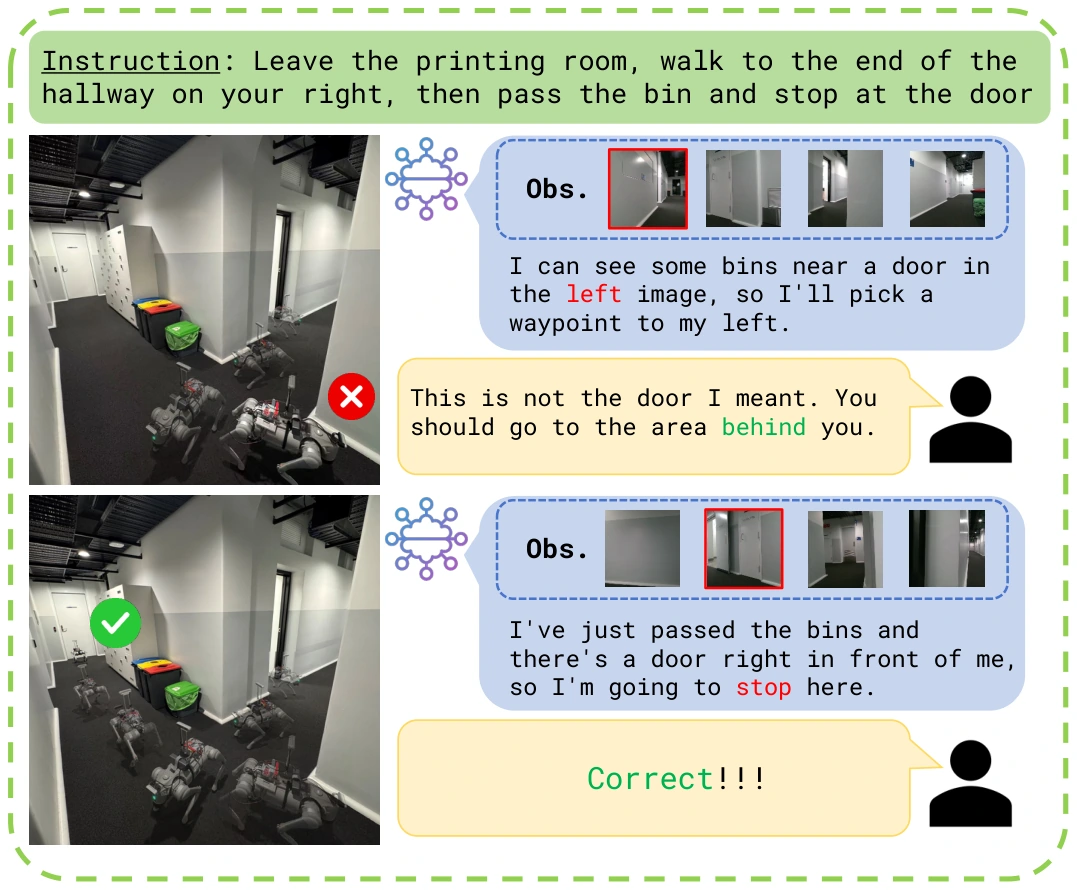
Talk2Escape real-world Go2 recovery: a grounded human correction turns a wrong-door attempt into successful navigation.

Talk2Escape: Conversational Grounding for Vision-and-Language Navigation
Zerui Li, Sihao Lin, Yanyan Shao, Jiwen Zhang, Xiangyu Shi, Shijie Li, Qi Wu

IROS 2026
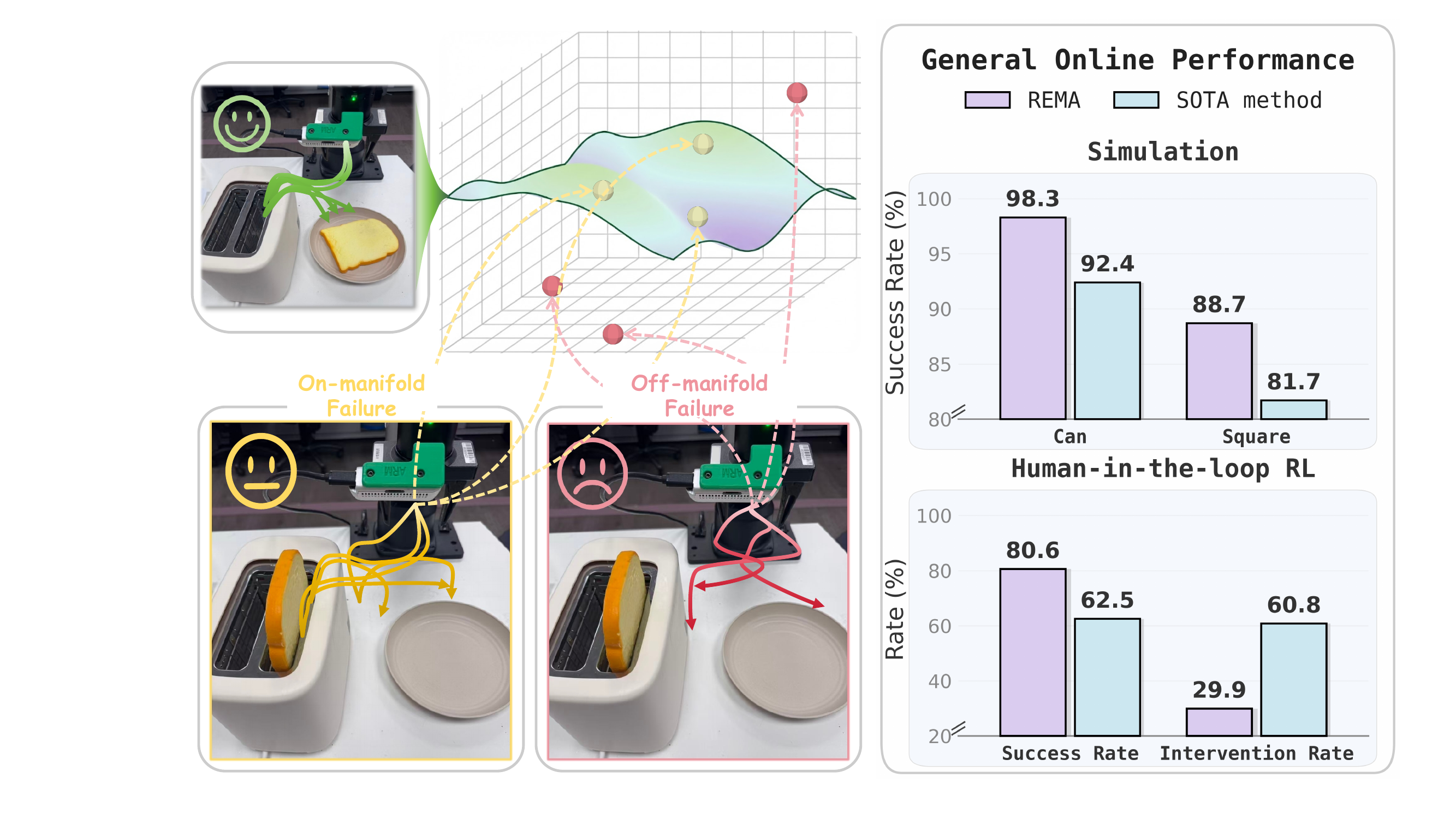
REMA teaser detail comparing on-manifold and off-manifold failure trajectories during real robot manipulation.

Efficient Online Robotic Reinforcement Learning with Explicit Manifold Alignment
Wenkai Guo, Peizhi Tang, Yukun Bai, Ziming Yan, Haoyuan Deng, Guanxing Lu, Shijie Li, Ziwei Wang

RA-L 2026
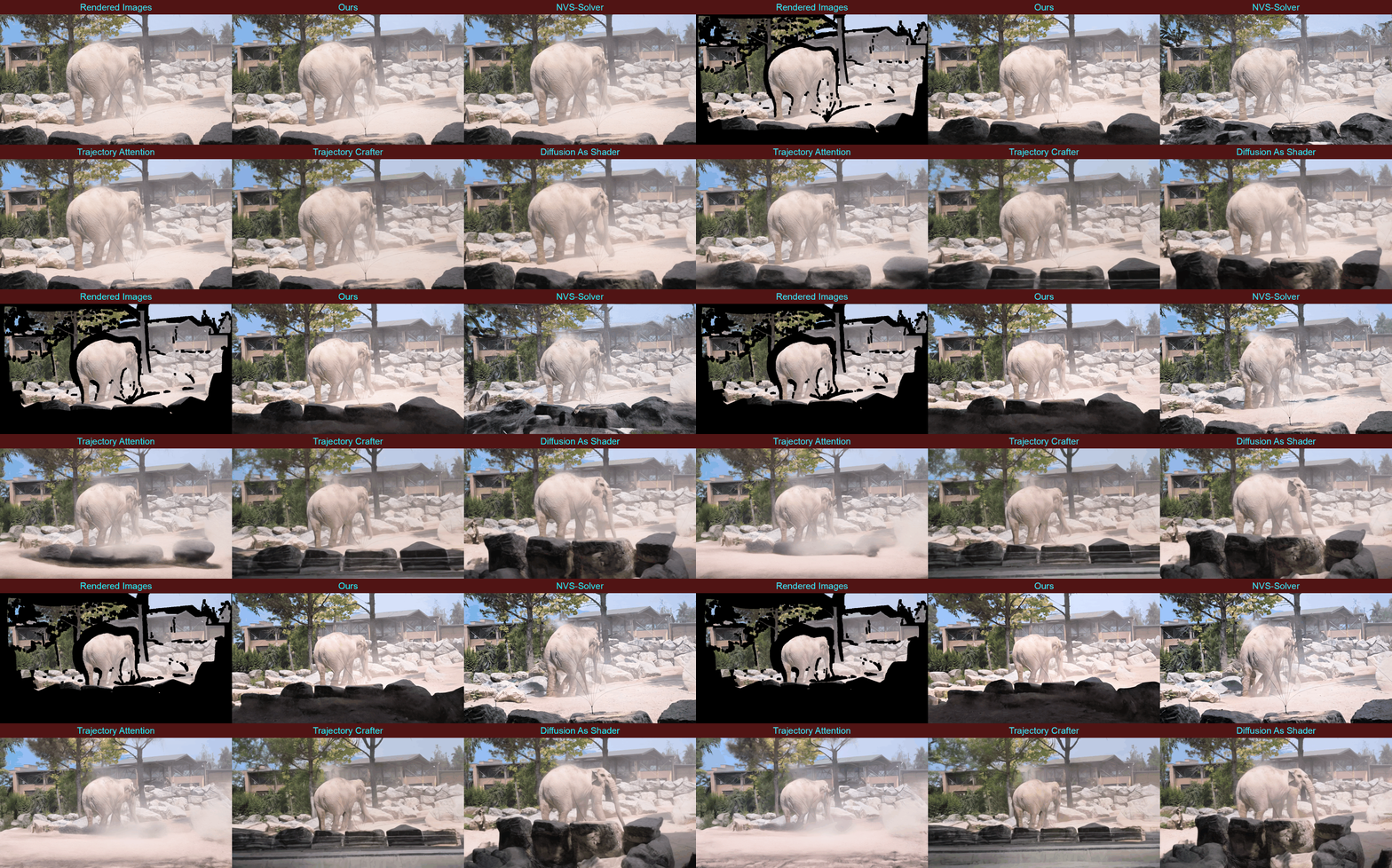
A generated novel view of an elephant from the official SA-RePaint zoom-out demonstration.

Prioritizing Faithfulness: Efficient Zero-Shot Novel View Synthesis via Homography-Guided SA-RePaint
Ryotaro Kakuda, Chen Li, Shijie Li, Xiaofeng Yang, Guosheng Lin, Fayao Liu

BMVC 2026
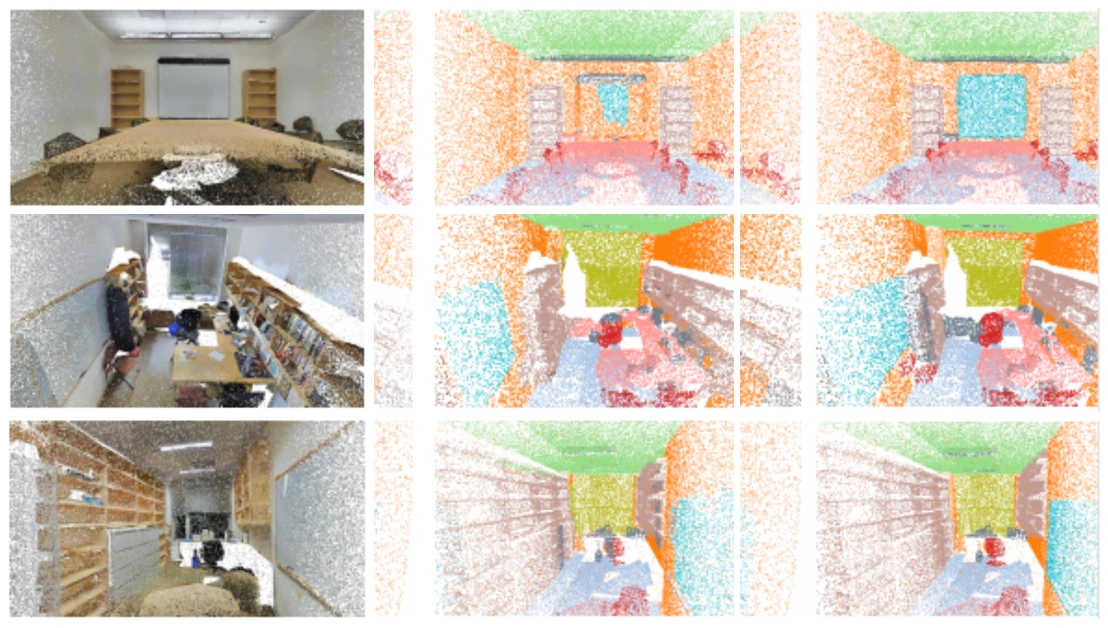
SAM-guided 3D segmentation: RGB, the one-point-supervised method output and ground truth for three S3DIS scenes.

Sam-Guided Multi-View Fusion for Weakly Supervised 3D Point Cloud Segmentation

Yuena Qiao, Nanqing Liu, Yongyi Su, Shijie Li, Xulei Yang, Bihan Wen, Nancy Chen, Tianrui Li, Xun Xu

ICASSP 2026

2025

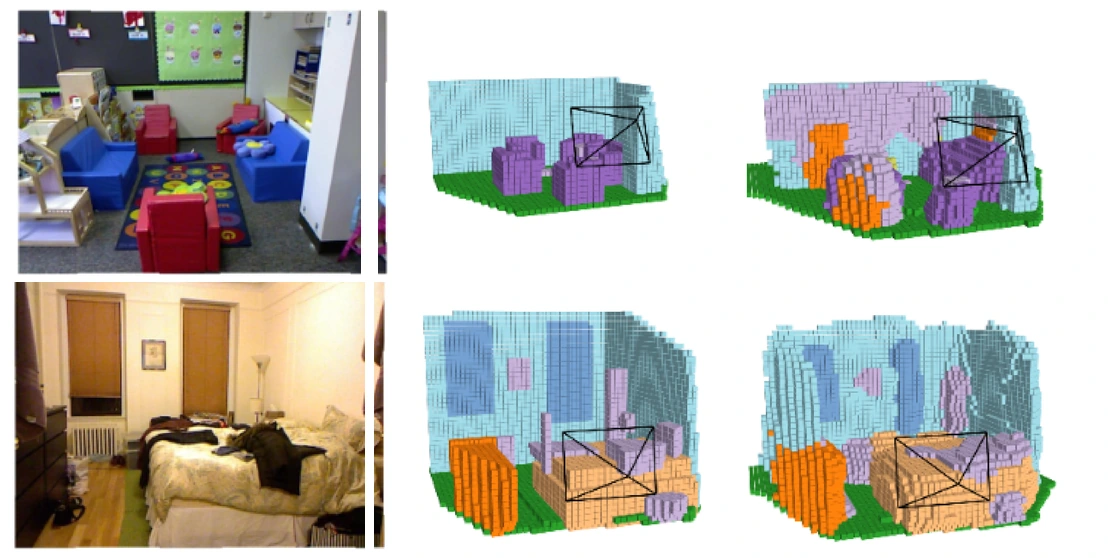
GA-MonoSSC qualitative examples: an RGB image, ground-truth completed scene and the method’s semantic 3D completion.

Global-Aware Monocular Semantic Scene Completion with State Space Models
Shijie Li, Zhongyao Cheng, Rong Li, Shuai Li, Juergen Gall, Xun Xu, Xulei Yang

ICCV 2025
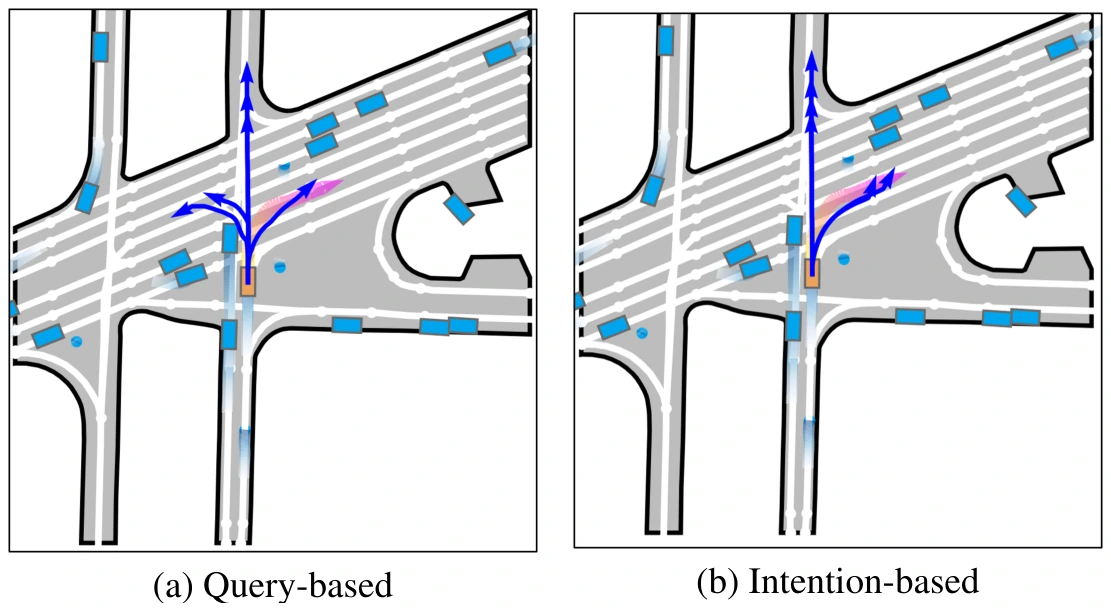
FINet scene illustration comparing query-based and future-aware trajectory predictions at an intersection.

Future-Aware Interaction Network For Motion Forecasting
Shijie Li, Xun Xu, Si Yong Yeo, Xulei Yang

ICCV 2025
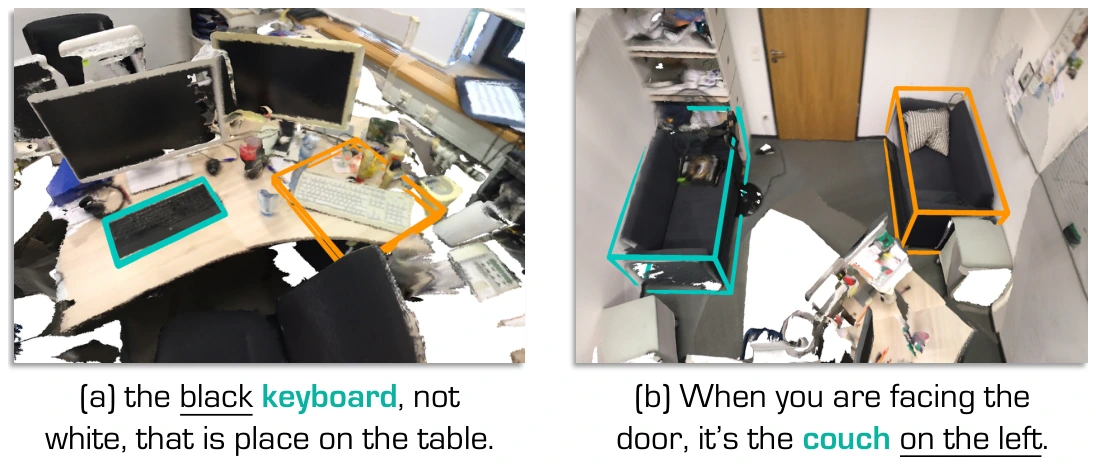
SeeGround qualitative examples using colour and viewpoint to identify a keyboard and a couch in 3D rooms.

Seeground: See and ground for zero-shot open-vocabulary 3d visual grounding
Rong Li, Shijie Li, Lingdong Kong, Xulei Yang, Junwei Liang

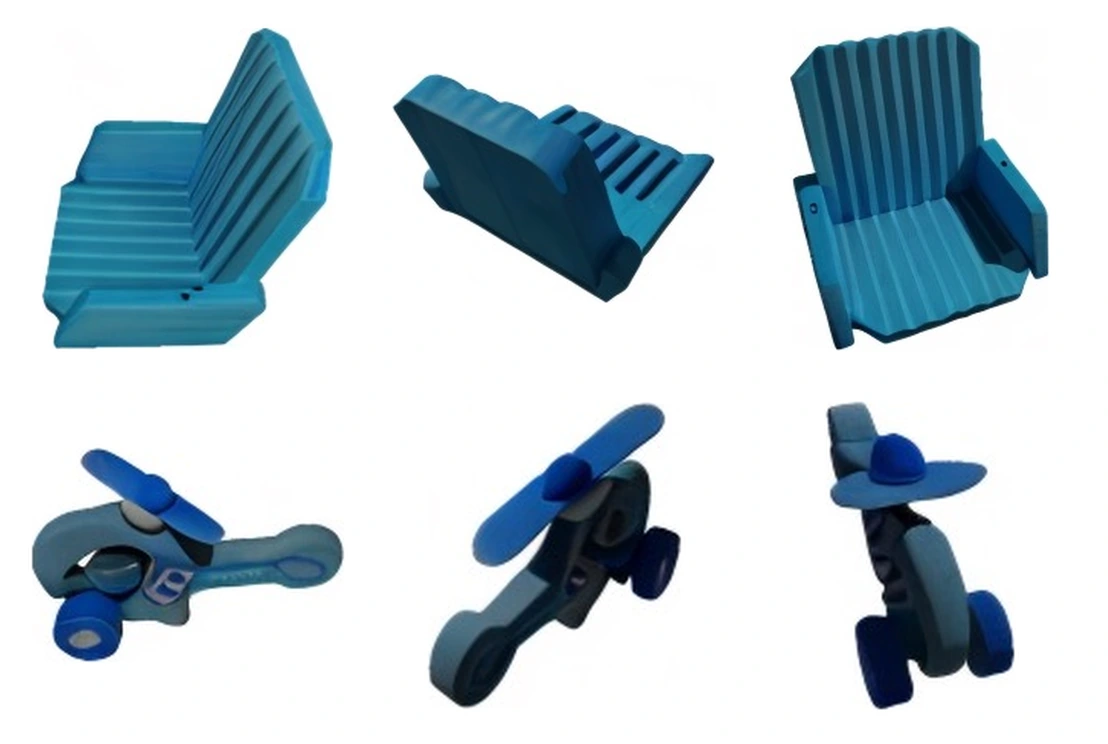
VaLID novel-view outputs: three target views each of a chair and a blue wheeled toy, generated with four source views.

VaLID: Variable-Length Input Diffusion for Novel View Synthesis

Shijie Li, Farhad G. Zanjani, Haitam Ben Yahia, Yuki M. Asano, Juergen Gall, Amirhossein Habibian

WACV 2025
SiFH qualitative trajectory forecasts for left and right turns, retaining the Forecast-MAE and Ours row labels.

SiFH: Siamese Frequency Harmonization Self-Supervised Learning for Motion Forecasting

Chunyu Liu, Zeyu Liu, Tiechui Yao, Shijie Li

Neurocomputing

2024

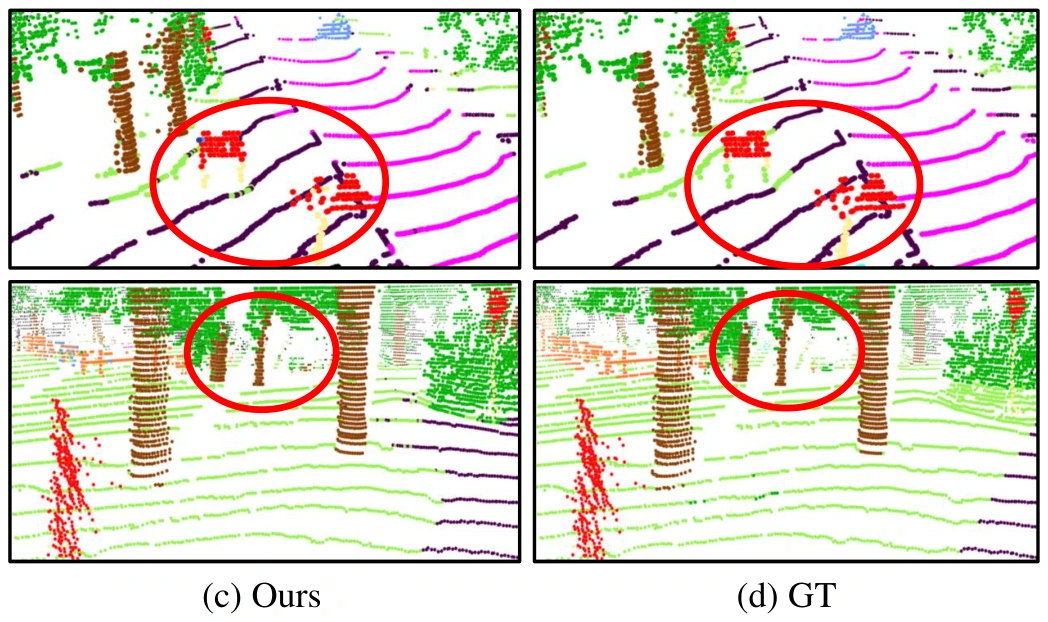
TFNet temporal post-processing results (left) compared with ground truth (right), showing two LiDAR scenes.

Tfnet: Exploiting temporal cues for fast and accurate lidar semantic segmentation

Rong Li, Shijie Li, Xieyuanli Chen, Teli Ma, Juergen Gall, Junwei Liang

CVPRW 2024

2023

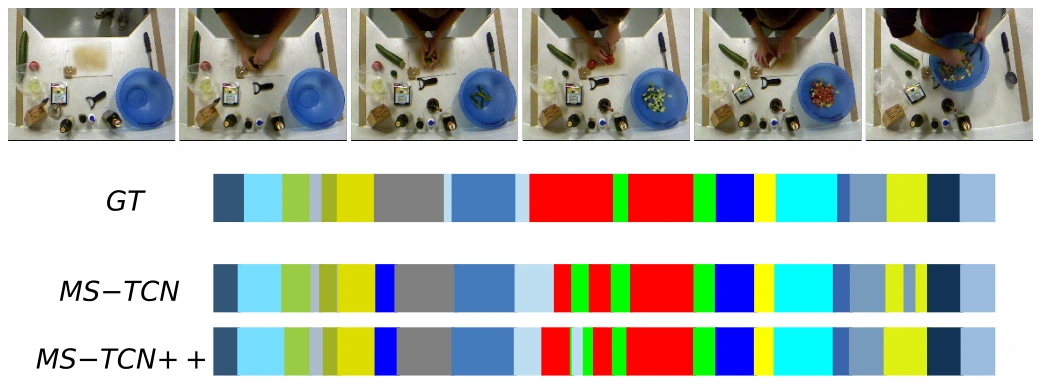
A 50Salads video example with ground-truth, MS-TCN, and MS-TCN++ temporal action segmentation bars.

MS-TCN++: Multi-Stage Temporal Convolutional Network for Action Segmentation
Shijie Li, Yazan Abu Farha, Yun Liu, Ming-Ming Cheng, Juergen Gall

TPAMI
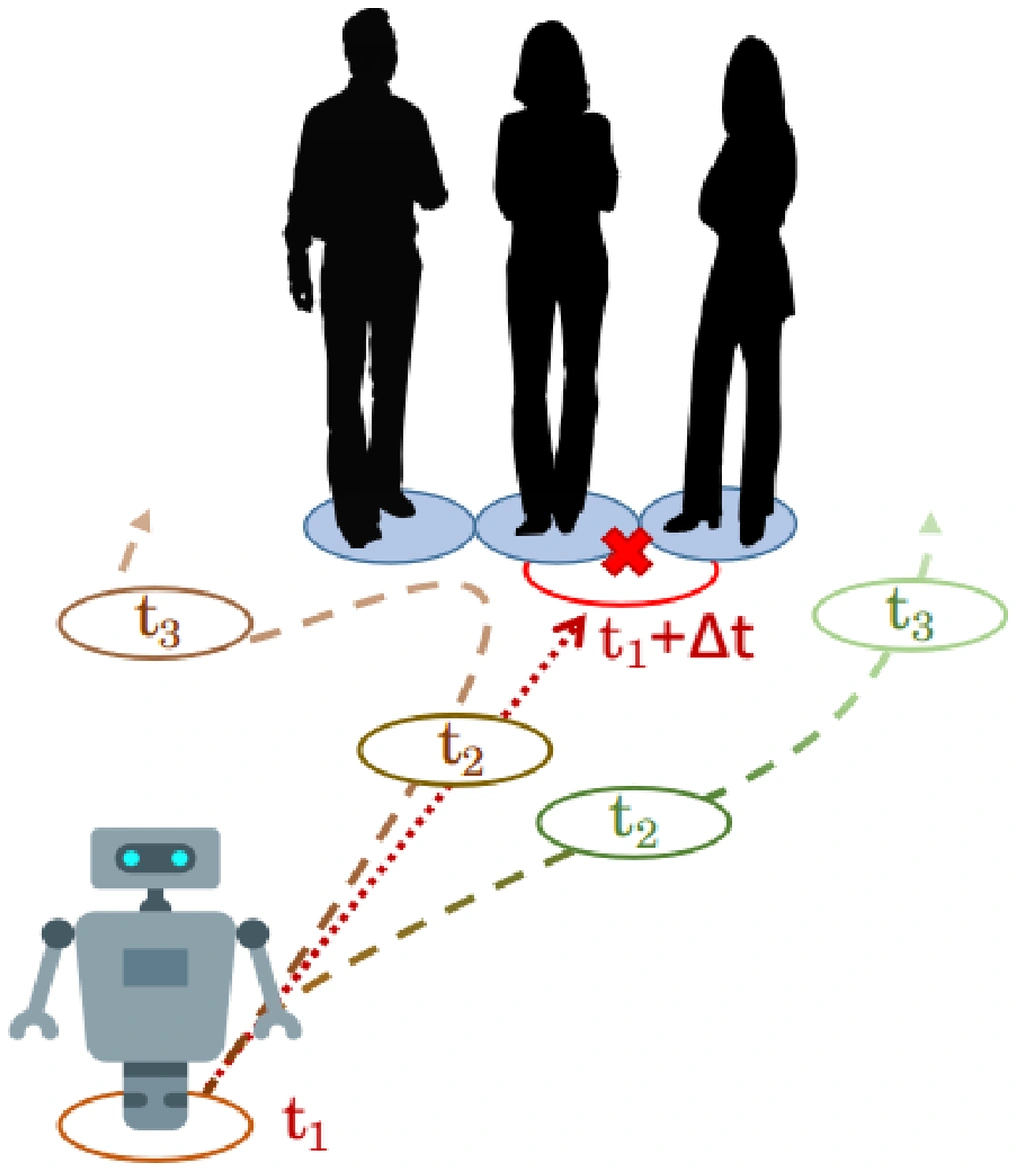
FSRL concept illustration: the robot anticipates potential collisions and takes an earlier avoidance path around people.

Foresight Social-aware Reinforcement Learning for Robot Navigation

Yanying Zhou, Shijie Li, Jochen Garcke

CCDC 2023

2022

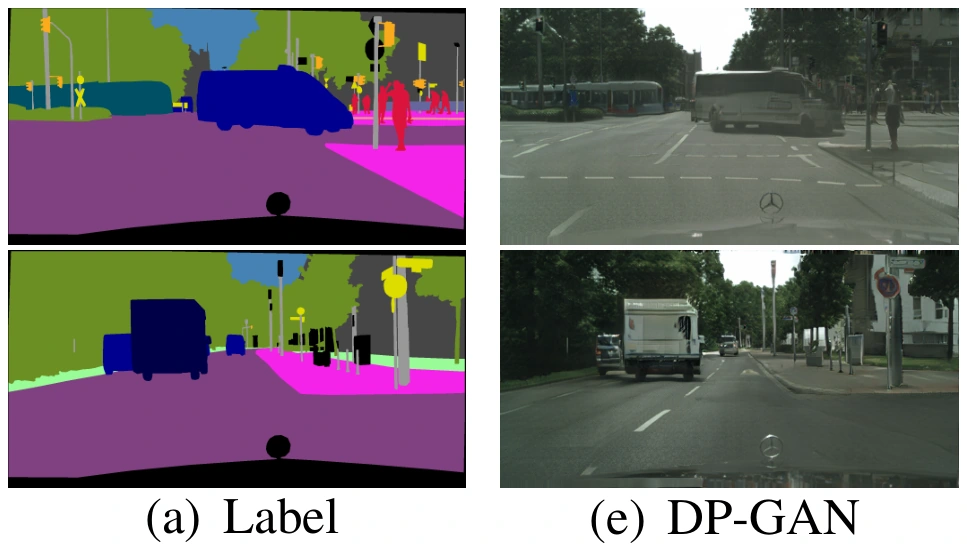
Two semantic-layout inputs (left) and the corresponding DP-GAN generated street scenes (right), from Figure 1.

Dual Pyramid Generative Adversarial Networks for Semantic Image Synthesis

Shijie Li, Ming-Ming Cheng, Juergen Gall

BMVC 2022

2021

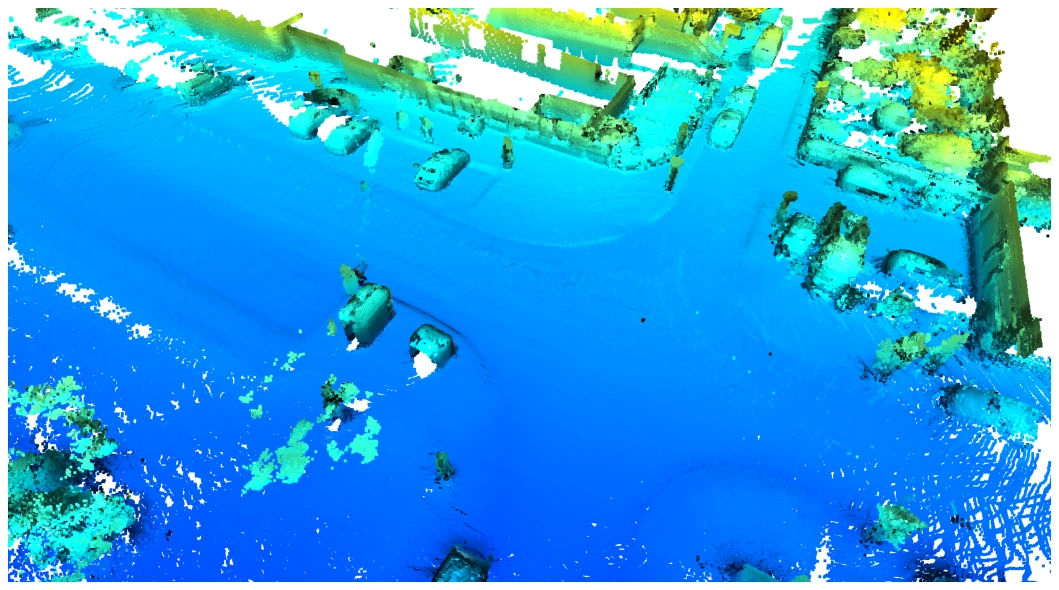
Accumulated LiDAR map after the method removes moving-object segments, Figure 7(b).

Moving object segmentation in 3D LiDAR data: A learning-based approach exploiting sequential data
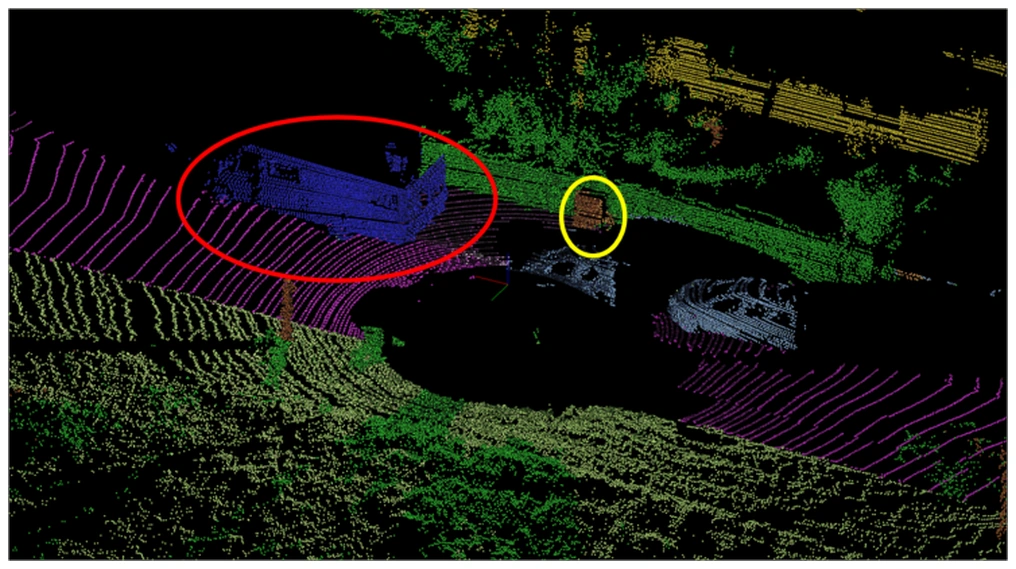
Xieyuanli Chen, Shijie Li, Benedikt Mersch, Lukas Wiesmann, Juergen Gall, Jens Behley, Cyrill Stachniss

RA-L 2021
MINet semantic LiDAR segmentation result from Figure 4(d), with the paper’s original error highlights.

Multi-scale interaction for real-time lidar data segmentation on an embedded platform
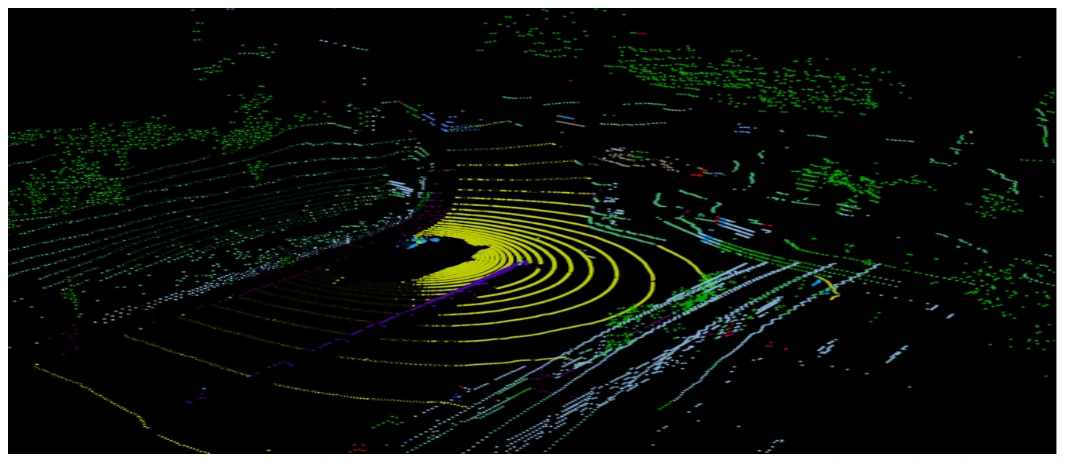
Shijie Li, Xieyuanli Chen, Yun Liu, Dengxin Dai, Cyrill Stachniss, Juergen Gall

RA-L 2021
UnPNet semantic prediction on a nuScenes LiDAR scene, the upper-right output panel of Figure 14.

Rethinking 3-D LiDAR point cloud segmentation
Shijie Li, Yun Liu, Juergen Gall

TNNLS
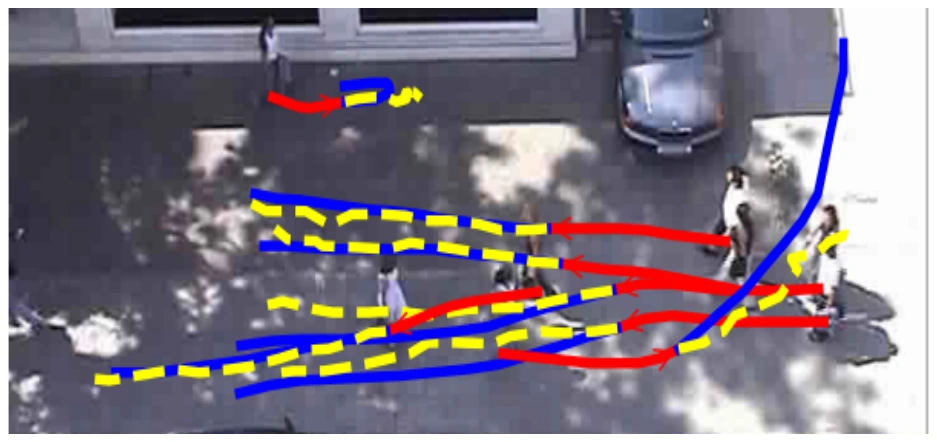
STC-Net predicted trajectories overlaid on an aerial pedestrian scene, from the right column of Figure 5.

Spatial-temporal consistency network for low-latency trajectory forecasting

Shijie Li, Yanying Zhou, Jinhui Yi, Juergen Gall

ICCV 2021

2020

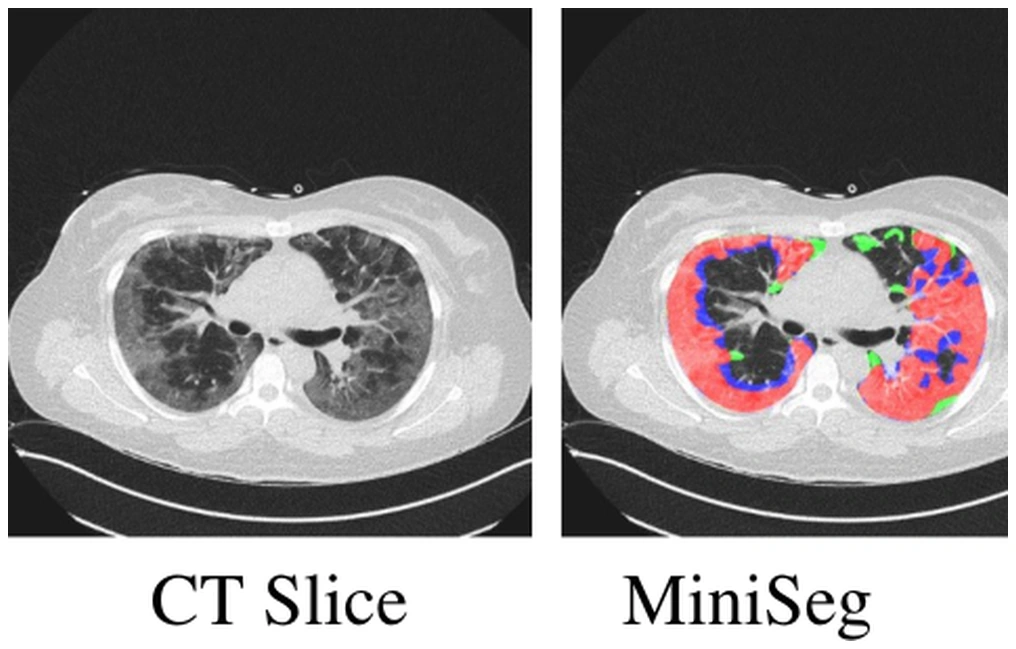
Chest CT slice (left) and MiniSeg infection segmentation (right), the first example from Figure 4; original CT Slice and MiniSeg labels retained.

MiniSeg: An Extremely Minimum Network for Efficient COVID-19 Segmentation
Yu Qiu, Yun Liu, Shijie Li, Jing Xu

AAAI 2020
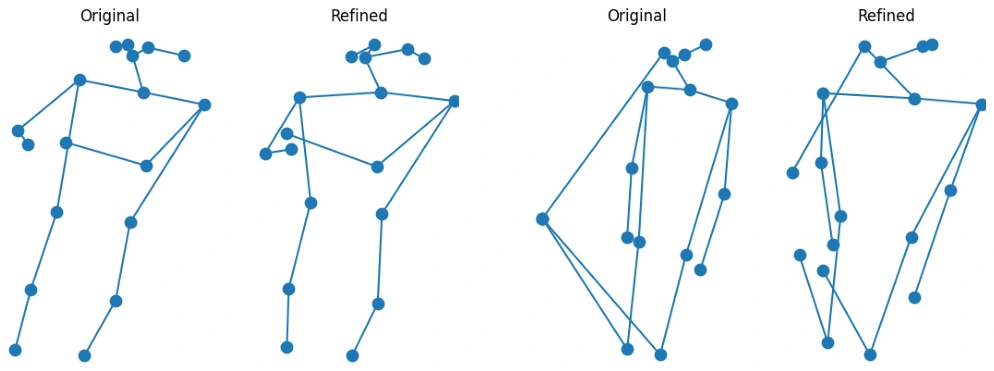
Original and refined skeleton poses for two examples of pose-error correction, from the upper row of Figure 8(a–b).

Pose Refinement Graph Convolutional Network for Skeleton-based Action Recognition
Shijie Li, Jinhui Yi, Yazan Abu Farha, Juergen Gall

RA-L 2020
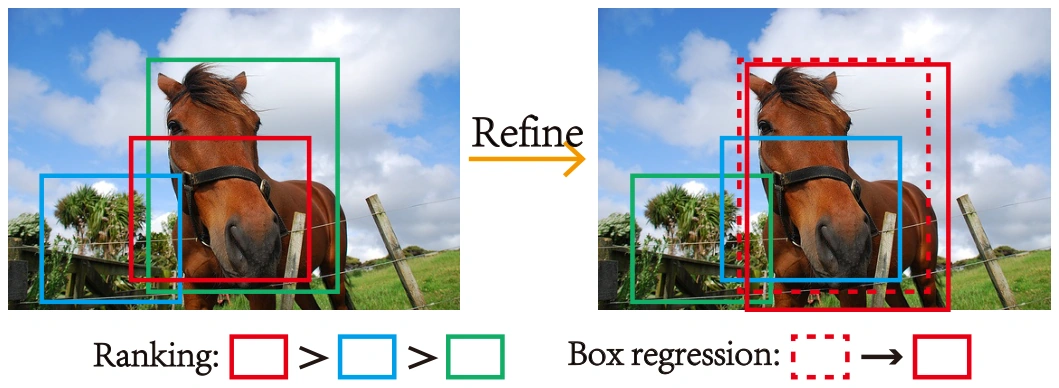
RefinedBox proposal-refinement example: horse image before and after box re-ranking and regression, Figure 1.

Refinedbox: Refining for fewer and high-quality object proposals

Yun Liu, Shijie Li, Ming-Ming Cheng

Neurocomputing

2019

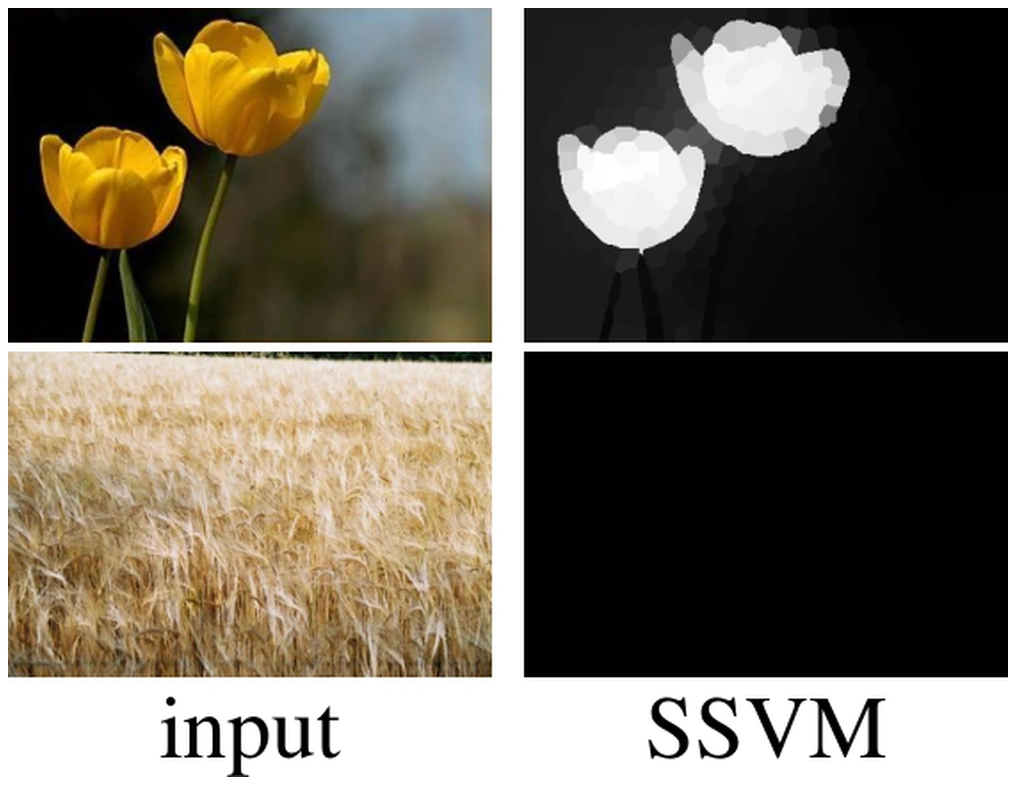
Input images (left) and SSVM saliency predictions (right): a salient flower and a background-only scene, selected from Figure 5.

Joint salient object detection and existence prediction

Huaizu Jiang, Ming-Ming Cheng, Shijie Li, Ali Borji, Jingdong Wang

Frontiers of Computer Science

2018

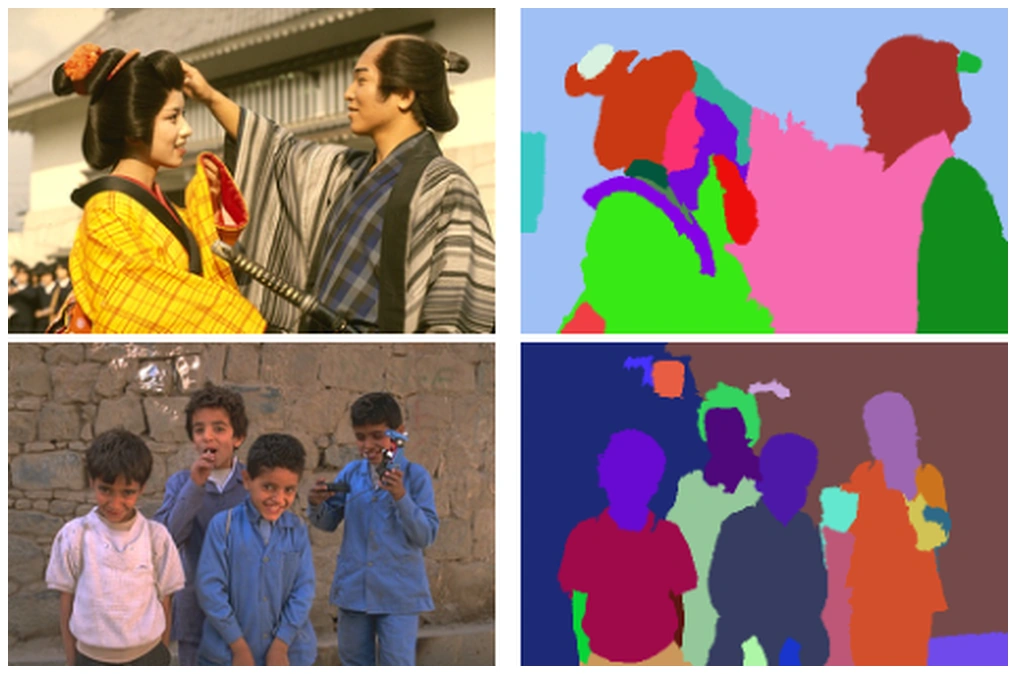
Two BSDS500 inputs (left) and corresponding DEL region segmentations (right), selected from Figure 6.

Del: Deep embedding learning for efficient image segmentation
Yun Liu, Peng-Tao Jiang, Vahan Petrosyan, Shijie Li, Jiawang Bian, Le Zhang, Ming-Ming Cheng

IJCAI 2018
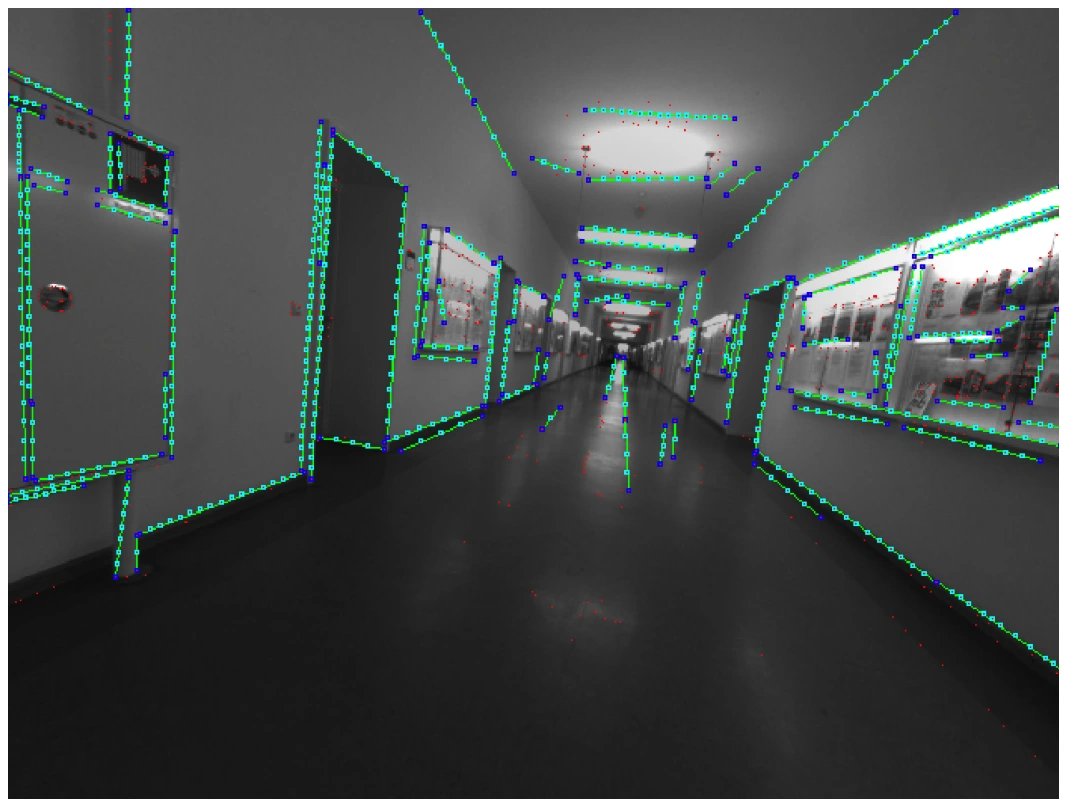
DLGO corridor keyframe with the original selected points and line guidance overlays, Figure 1.

Direct line guidance odometry

Shijie Li, Bo Ren, Yun Liu, Ming-Ming Cheng, Duncan Frost, Victor Adrian Prisacariu

ICRA 2018
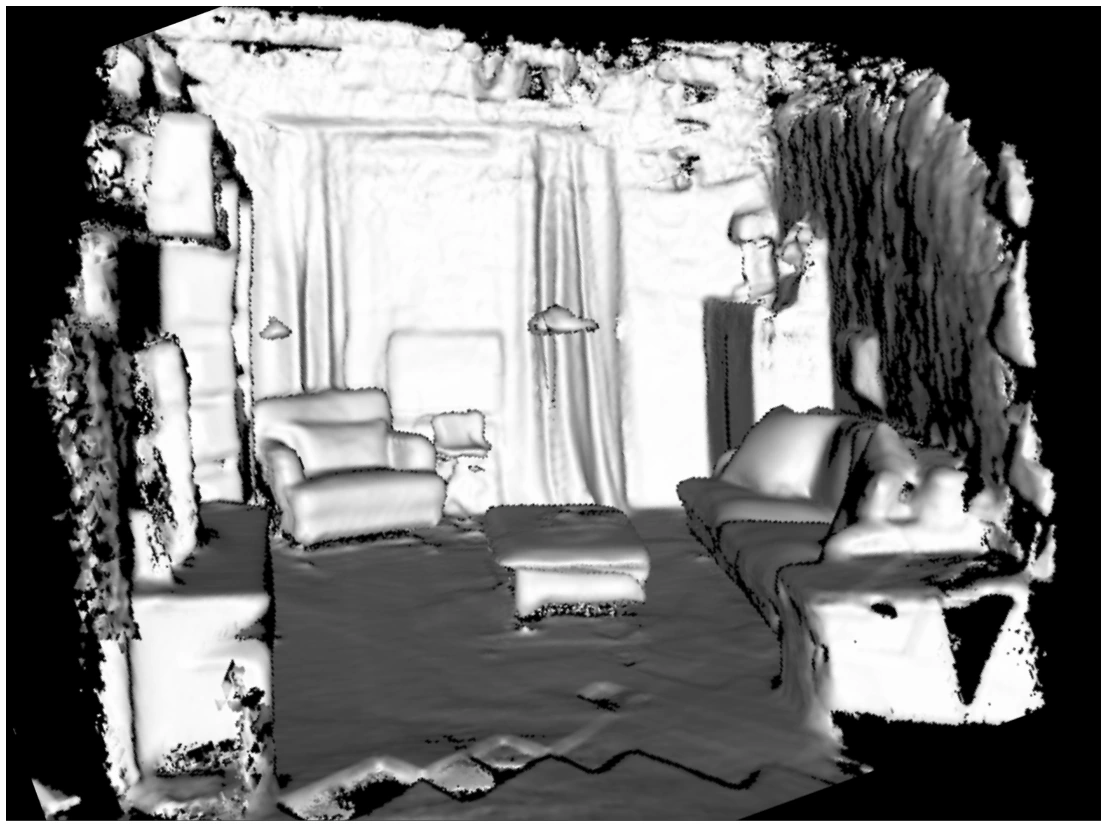
A furnished-room 3D reconstruction produced by Structured Skip List.

Structured skip list: A compact data structure for 3D reconstruction

Shijie Li, Ming-Ming Cheng, Yun Liu, Shao-Ping Lu, YaHui Wang, Victor Adrian Prisacariu

IROS 2018

Honors & Fellowships

Academic Service

Grants

A*STAR Career Development Fund (CDF)Apr 2025–Mar 2028

Principal Investigator · SGD 250K

Towards Intelligent Embodied 3D Perception: Learning to Understand, Anticipate, and Interact in Complex Environments

Invited Talks

  • [2026] Invited talk at 2nd Singapore Vision Day, National University of Singapore.
  • Invited seminars at National University of Singapore, Monash University, Macquarie University, University of Adelaide, Aalto University, KU Leuven, and Télécom Paris.